4 min read ResuFit Team
Artistic Resume Templates: Complete Guide for Creative Artists
Resume Tools Job Application Materials
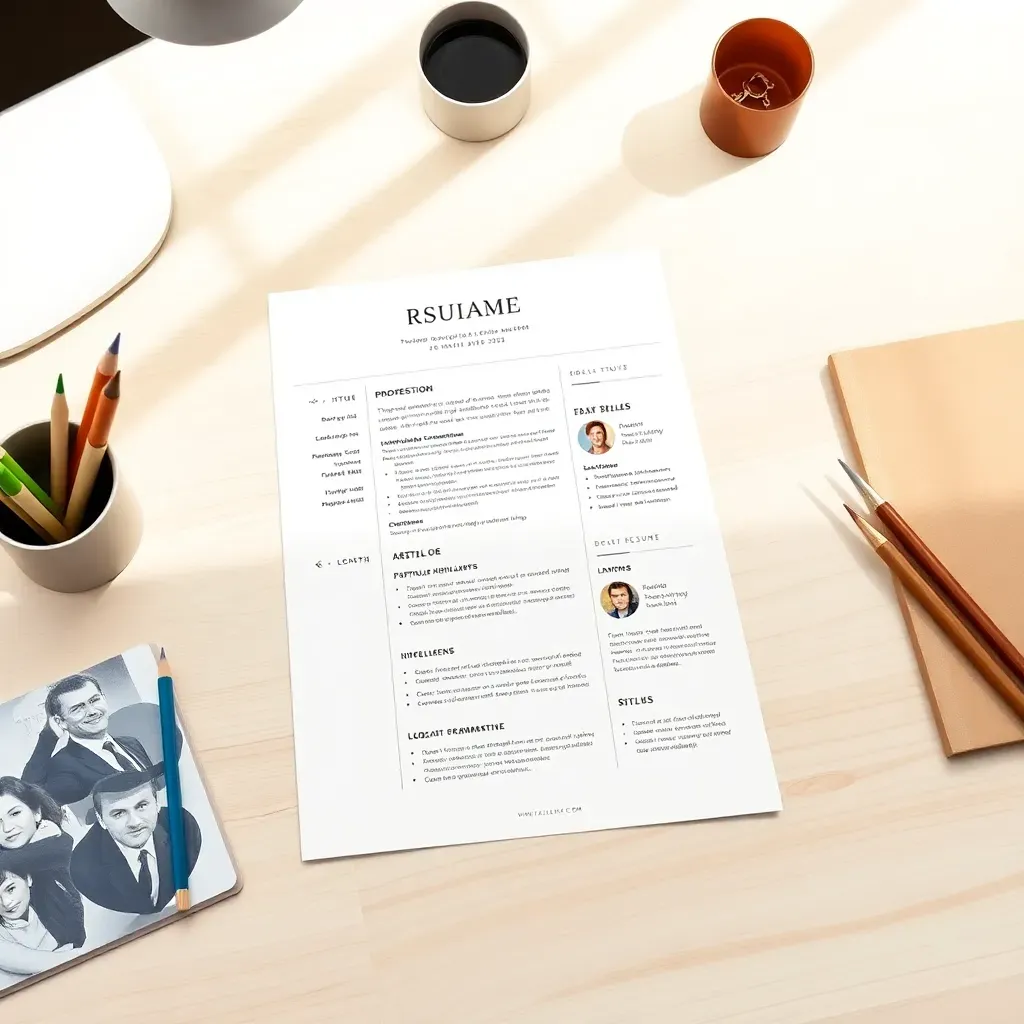
An artist’s career path is unique and demands a distinctive presentation. While traditional resume templates are designed for linear corporate careers, artists need formats that showcase their creativity and experience in a visual, impactful way.
An artistic resume requires emphasis on portfolio and creative trajectory — a completely different approach from conventional corporate templates. Research shows that 73% of recruiters in the arts prioritize immediate visualization of relevant work during the screening process.
While traditional resumes focus on responsibilities and quantifiable results, artist CV templates must balance professionalism with creative expression. These specialized templates allow you to highlight exhibitions, mastered techniques, and projects in an organized way while demonstrating your personal style.
An effective artistic resume balances creativity with readability. The formatting should facilitate scanning while reflecting your artistic identity.
Visual hierarchy is crucial — organize your resume so that the most relevant elements for your specific field receive immediate prominence.
A key differentiator of artistic resumes is the integration with your visual work. Consider:
Studies indicate that 86% of recruiters access digital portfolios before scheduling interviews, making this integration essential.
The typography and colors of your resume communicate your artistic identity before anyone reads a word:
Different artistic disciplines require specific approaches:
Visual Arts:
Graphic Design:
Performing Arts:
When selecting a template, check its ATS (Applicant Tracking System) compatibility, especially for applications to larger institutions or corporations. Some templates prioritize design over machine readability — find the right balance for your target.
There’s a wide range of free artistic resume templates available online, but it’s important to evaluate when to invest in premium options:
Reliable free options:
When to invest in premium:
Customization is essential for standing out in the competitive art market:
Tools like Canva, Adobe InDesign, or even ResuFit can help you create polished, professional artistic resumes. Consider creating multiple versions tailored to different application contexts.
Adapt your resume to your target market: some markets value more visual expression and community engagement details, while others prefer more structured, minimalist approaches similar to European CV formats.
Even experienced artists make errors when crafting their resumes:
Remember that your artistic resume should function as an extension of your portfolio and creative identity, not as a bureaucratic document. Invest time in proper customization and careful review before submitting.
By following these guidelines and selecting the right template for your artistic discipline, you’ll be better positioned to highlight your creative skills and relevant experiences, significantly increasing your chances in the competitive arts market.
How does your resume score?
Check Your Score FreeGet the latest tips on resume writing and career advice.