6 min read ResuFit Team
Should You Include Images in Your Cover Letter? A Complete Guide
Job Application Materials
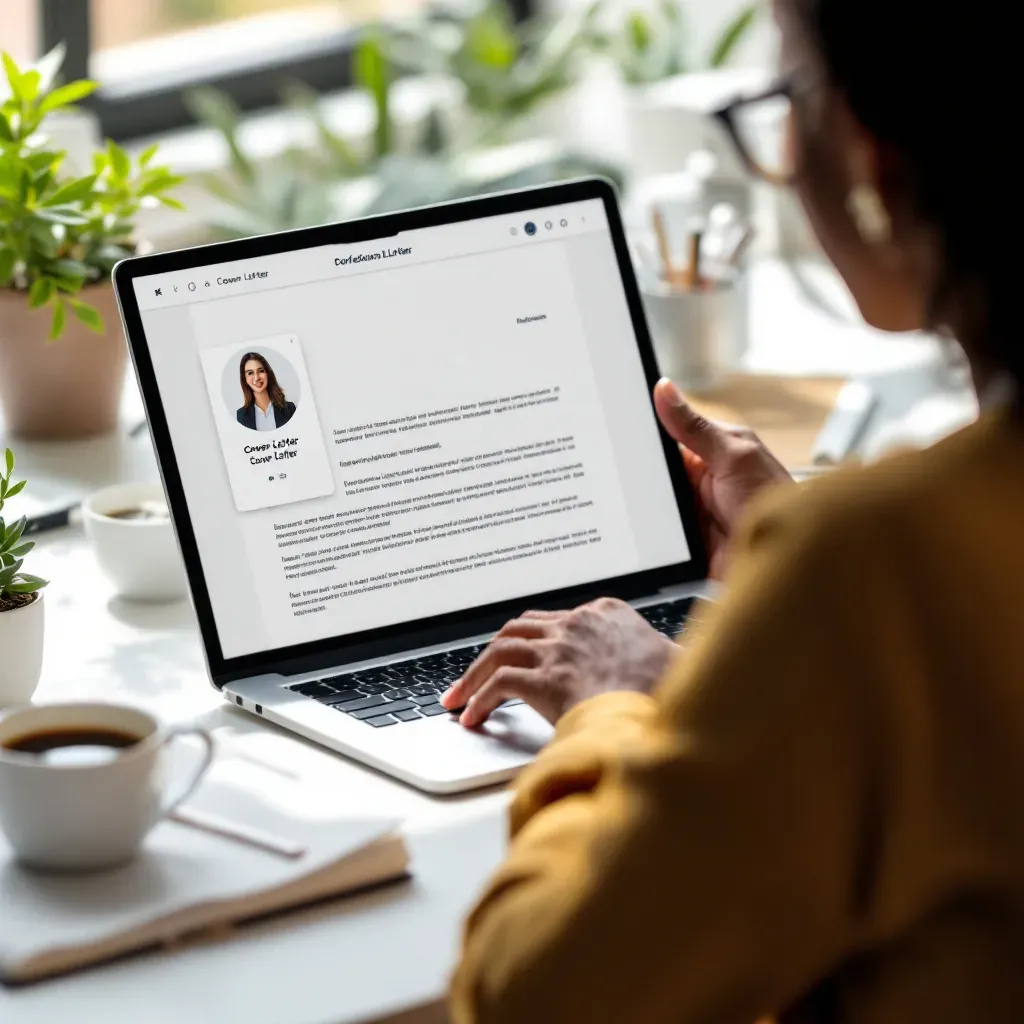
In today’s competitive job market, job seekers are constantly looking for ways to stand out from the crowd. One question that often arises is whether to include images in a cover letter. While visual elements can potentially enhance your application, they can also create complications, particularly with Applicant Tracking Systems (ATS). This guide will help you navigate when and how to effectively incorporate images in your cover letter without compromising your chances of landing an interview.
The decision to include images in your cover letter largely depends on your industry, the specific role, and the company culture.
In creative industries such as graphic design, marketing, photography, or digital media, thoughtfully placed images can showcase your design sensibilities and visual communication skills. A subtle personal logo or carefully selected portfolio sample might demonstrate relevant abilities that text alone cannot convey.
“Visual elements can help establish a memorable personal brand,” notes Indeed’s cover letter guidelines. However, even in creative fields, restraint is key—your qualifications and experience should remain the focus.
For traditional industries like finance, law, healthcare, and government, images in cover letters may be perceived as unprofessional or distracting. More importantly, including images can create technical problems with ATS systems that many employers use to screen applications.
According to Enhancv’s ATS guide, “Applicant Tracking Systems often ignore or misread embedded images, potentially disqualifying your application.” When in doubt, a clean, text-based cover letter is the safest approach to ensure your application gets properly processed.
If you’re using an AI cover letter generator like ResuFit, you’ll find that the system automatically optimizes your document for ATS compatibility while maintaining a professional appearance.
If you’ve determined that images would enhance your application, here are some appropriate options to consider:
Professional headshots are common in some regions and industries. If including one:
Cultural considerations are important here—while headshots are expected in parts of Europe and Asia, they’re less common in North America unless specifically requested or for roles in modeling or acting.
Subtle branding elements can create a cohesive look across your application materials:
When creating a portfolio cover letter, these visual elements can help establish a connection between your application documents and your work samples.
The technical execution of adding images can significantly impact how your cover letter is received and processed.
When submitting applications electronically:
If you’re using AI prompts to use when writing a cover letter, you can focus on content while later adding visual elements using design software.
For printed applications:
How and where you place images can make the difference between enhancing or detracting from your application.
For inspiration, you might review a simple cover letter sample and consider how subtle visual elements could enhance rather than overwhelm the basic structure.
Remember, even a funny cover letter should maintain professionalism—humor can be conveyed through writing without relying on potentially risky visual jokes.
Image usage in professional documents varies significantly across different regions:
When applying internationally or to multinational companies, research local norms or use tools like ResuFit‘s ai job application bot that can help tailor your application to specific regional expectations.
The decision to include images in your cover letter should be made thoughtfully, with consideration for industry norms, ATS compatibility, and the specific role you’re targeting. When in doubt, prioritize clean, professional formatting over visual embellishments.
For most applications, a well-written cover letter using an ai letter writer free tool like ResuFit will be more effective than one with unnecessary images. However, in creative industries where visual communication is part of the job, strategically placed images can demonstrate your skills and attention to detail.
Remember that your cover letter’s primary purpose is to complement your resume by telling your professional story and highlighting your qualifications—any visual elements should support this goal, not distract from it.
When preparing your next job application, consider using ResuFit‘s comprehensive tools to create ATS-optimized documents that balance professional appearance with effective content, ensuring your application makes it through electronic screening systems and into the hands of hiring managers.
By thoughtfully approaching the question of images in your cover letter, you can create application materials that represent your professional brand effectively while maximizing your chances of landing an interview.
Get the latest tips on resume writing and career advice.