5 min read ResuFit Team Sponsored
Advance Your Practice: The Real Benefits of a Post-Master's FNP Certificate Online
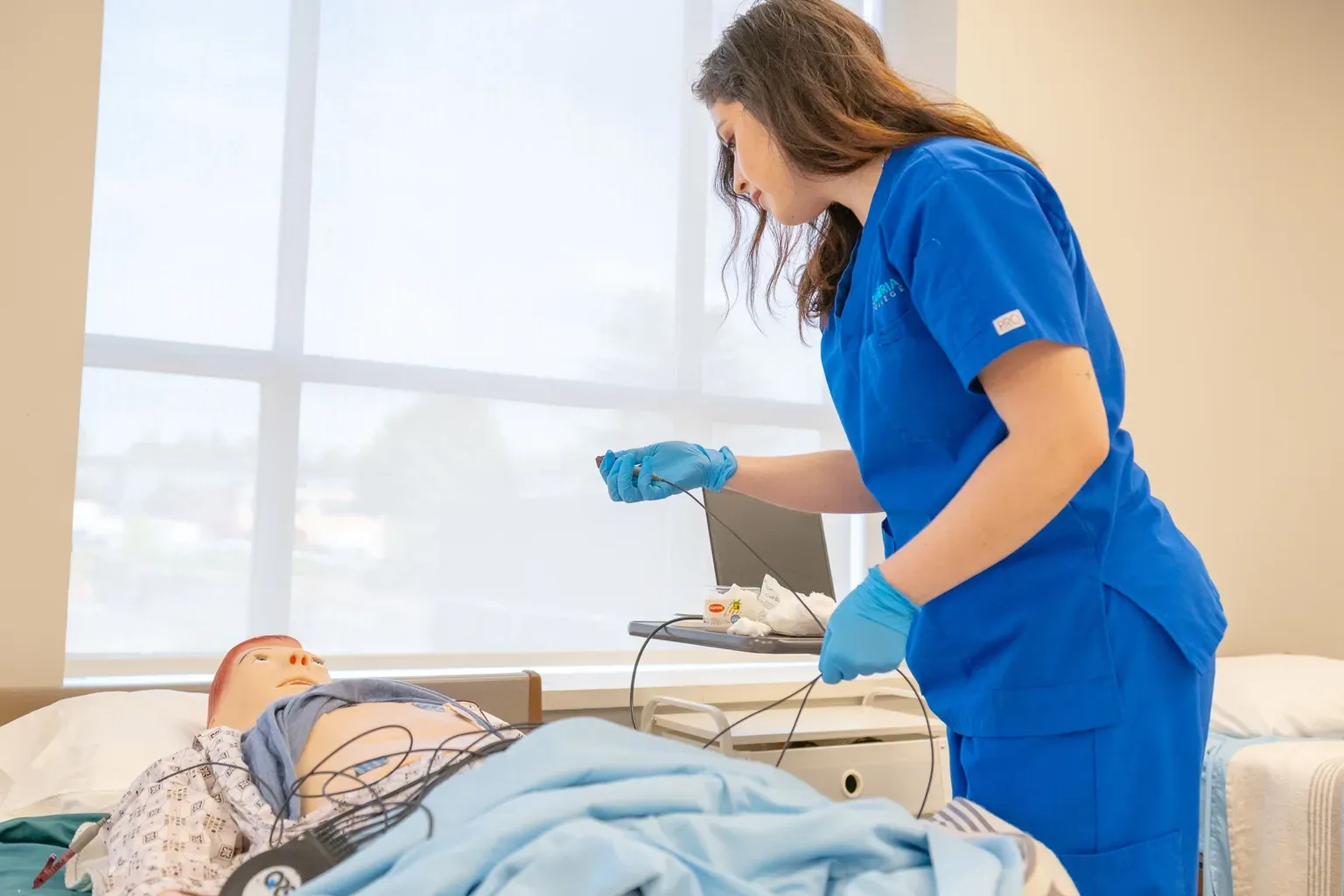
A post-master’s FNP certificate online offers experienced nurses a focused route into family practice without repeating an entire graduate degree. A graduate nursing degree can open senior roles, but it may still leave a nurse unable to provide primary care across the lifespan. The need for qualified advanced practice nurses also remains strong: around 29,200 new advanced practice registered nurses are expected to be needed each year through 2032. For nurses who want broader clinical authority, flexible study and a direct path toward FNP certification, an online certificate can offer clear professional value.
A post master’s FNP certificate online is designed for nurses who already hold a graduate nursing degree. It provides the coursework and supervised clinical experience needed for family practice.
The curriculum covers advanced assessment, pharmacology, diagnosis, primary care, preventive care and chronic disease management across the lifespan.
Many programs award credit for previous graduate coursework, reducing repeated classes, although policies vary by institution.
After completing an eligible program, graduates may apply for national FNP certification. Those who pass earn the FNP-BC credential, which is valid for five years.
Online study makes advanced clinical education easier to fit around a nursing schedule. Many nurses work long shifts, have on-call duties, or balance family responsibilities, making traditional classroom schedules difficult.
Most online programs deliver lectures, readings and assignments through a digital learning platform, allowing students to complete much of the coursework on a flexible schedule. Live sessions may still be required.
Clinical hours remain in person through supervised placements in approved healthcare settings such as primary care clinics or family practices. This combination of flexible online learning and hands-on training allows nurses to apply new knowledge directly in their everyday clinical work.
The value of a post-master’s FNP certificate online extends beyond convenience. It can change the type of care a nurse is qualified to provide.
Important benefits may include:
These benefits are especially relevant for nurses whose first graduate degree focused on administration, education, or another clinical population. An adult-gerontology nurse practitioner, for example, may pursue FNP preparation to expand into roles that include paediatric patients.
Program selection should begin with certification eligibility. Applicants should confirm that the curriculum meets the requirements of their intended certification body and state board of nursing, as state rules may affect licensure and prescribing authority.
Accreditation is equally important because employers and certification organisations may require graduation from an accredited program.
Applicants should also ask how clinical placements are arranged, since some universities provide preceptors while others expect students to help secure local sites. Finally, look beyond tuition and budget for additional costs such as travel, background checks, technology fees and certification exams.
FNP education requires a shift toward broad clinical thinking. Family nurse practitioners may see a child with asthma in one appointment and an older adult with several chronic conditions in the next. Students must learn how age, medication history and family circumstances affect treatment.
Strong programs use case-based assignments to develop this skill. Rather than memorising isolated facts, students work through realistic patient situations. They may evaluate symptoms, order appropriate tests and create follow-up plans.
Clinical experience then turns classroom knowledge into practical judgement. A preceptor can help the student improve patient interviews and recognise when a condition requires referral. These repeated decisions prepare the nurse for greater responsibility after certification.
Proper interview preparation should begin before graduation. Candidates should be ready to explain how their previous nursing experience supports family practice. They should also prepare examples involving difficult diagnoses, patient education and teamwork. Reviewing common primary care scenarios can help candidates answer clinical questions clearly. It is also useful to research the employer’s patient population and care model. A rural clinic may value broad clinical independence, while a large health system may focus more on coordinated care and documentation standards.
The nurse practitioner workforce continues to expand. The American Association of Nurse Practitioners reported more than 461,000 licensed nurse practitioners in the United States in 2025. Around 87% were educated in primary care-focused programs.
These figures show the scale of the profession, but earning a certificate does not guarantee a particular role or salary. Employment opportunities depend on location, experience, certification and state practice laws.
The strongest candidates often combine formal FNP preparation with proven clinical judgement. Nurses who understand local health needs may also position themselves for work in community clinics, urgent care centres and telehealth services.
A post-master’s FNP certificate online can help an experienced nurse move into family-focused primary care through a targeted course of study. The online format supports working professionals, while local clinical training preserves essential patient contact.
The right program should offer recognised accreditation, clear clinical support and confirmed eligibility for national certification. When those pieces are in place, the certificate can turn an existing graduate nursing education into a broader and more practical clinical career.
Ready to build a winning resume?
Create Your Resume FreeGet the latest tips on resume writing and career advice.